Blog
Toseina vs Makatussin

Toseina vs Makatussin: A Detailed Medical and Chemical Comparison
Toseina vs Makatussin,
When evaluating prescription-strength antitussives (cough suppressants) prescribed in European healthcare systems, Toseina and Makatussin are two of the most frequently discussed medications. Both are formulated to treat severe, non-productive (dry) coughs that do not respond to over-the-counter options.
However, despite sharing a similar therapeutic goal, these two medications originate from different countries, contain distinct active chemical compounds, and carry unique pharmacological profiles.
This comprehensive guide breaks down the science, ingredients, medical indications, and crucial safety profiles of Toseina vs Makatussin.
1. What is Toseina? An Overview
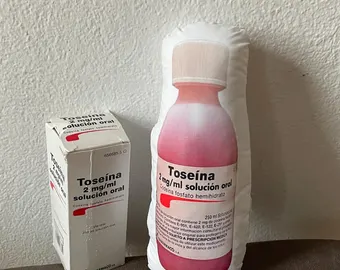
Toseina is a prescription cough syrup manufactured primarily in Spain by Portuguese pharmaceutical company Italfarmaco. It is widely prescribed within Southern Europe to alleviate debilitating dry coughs.
The Active Ingredient: Codeine Phosphate
The primary therapeutic agent in Toseina is codeine phosphate. Codeine is a well-known opioid analgesic and antitussive derived from the opium poppy plant.
- Mechanism of Action: Codeine works directly on the central nervous system. It binds to mu-opioid receptors in the cough center of the brain stem (the medulla oblongata), effectively raising the threshold required to trigger the cough reflex.
- Concentration: Standard Toseina formulations typically contain 2 mg of codeine phosphate per milliliter (mL) of syrup.
Because it contains a single primary active ingredient alongside its syrup base, clinicians classify Toseina as a monocomponent or targeted antitussive. It is explicitly designed for cough suppression without adding antihistamines or decongestants. Learn more about the clinical guidance on codeine via the European Medicines Agency (EMA).
2. What is Makatussin? An Overview
Makatussin (specifically Makatussin Comp.) is a combination prescription cough syrup manufactured and distributed primarily in Switzerland by Gebro Pharma. Unlike Toseina, Makatussin is a multi-ingredient medication formulated to address multiple respiratory symptoms simultaneously.
The Active Ingredients: Dihydrocodeine and Diphenhydramine
Makatussin relies on a synergistic combination of two active drugs:
- Dihydrocodeine Hydrochloride (DHC): Dihydrocodeine is a semi-synthetic opioid analgesic. Chemically, it is an analog of codeine but is generally considered to be roughly 1.5 times more potent than standard codeine in its analgesic and sedative effects. Like codeine, it suppresses the brain’s cough center.
- Diphenhydramine Hydrochloride: This is a first-generation antihistamine. It serves a dual purpose in Makatussin: it reduces allergic secretions (drying up a runny nose or post-nasal drip that might trigger coughing) and induces mild sedation to help patients sleep through severe nighttime coughing fits.
Due to this dual-action formulation, Makatussin is often favored by physicians when a dry cough is accompanied by allergic rhinitis or severe sleep disruption.
3. Direct Comparison: Toseina vs Makatussin
To help understand the core distinctions between these two prescription syrups, the table below highlights their primary differences across chemical, geographical, and therapeutic lines.
| Feature | Toseina | Makatussin (Comp.) |
| Primary Country of Origin | Spain / Portugal | Switzerland |
| Primary Opioid Ingredient | Codeine Phosphate | Dihydrocodeine Hydrochloride (DHC) |
| Secondary Active Ingredient | None | Diphenhydramine Hydrochloride (Antihistamine) |
| Relative Opioid Potency | Standard baseline | Approximately 1.5x stronger than codeine |
| Therapeutic Classification | Pure Antitussive | Antitussive + Antihistamine Combination |
| Primary Medical Use | Dry, tickly cough suppression | Dry cough with allergic or sleep-disrupting symptoms |
4. Pharmacokinetics and How They Work in the Body
The way the human body processes Toseina vs Makatussin differs substantially due to the metabolic pathways required by their respective active ingredients.
Codeine Metabolism (Toseina)
When a patient takes Toseina, the codeine phosphate must pass through the liver to become fully active. The liver enzyme CYP2D6 metabolizes codeine into morphine, which provides the actual therapeutic effect.
Because human genetics vary widely, individuals process codeine differently:
- Poor Metabolizers: Some individuals have low levels of the CYP2D6 enzyme, meaning Toseina may provide very little cough relief.
- Ultra-rapid Metabolizers: Conversely, some individuals process codeine into morphine incredibly fast, leading to an increased risk of side effects even at standard prescribed doses.
Dihydrocodeine Metabolism (Makatussin)
Makatussin’s dihydrocodeine is metabolized primarily by the liver enzyme CYP2D6 into dihydromorphine, but it also relies heavily on the CYP3A4 pathway.
Unlike regular codeine, dihydrocodeine possesses significant intrinsic activity on its own. This means that even if a patient is a poor CYP2D6 metabolizer, the medication will still reliably suppress their cough. However, the addition of diphenhydramine means the liver must work harder to clear both compounds simultaneously, increasing potential drug interactions.
5. Side Effects and Medical Safety Profiles
Both medications carry strict warning labels due to their impacts on the central nervous system. Because they contain central nervous system (CNS) depressants, users must exercise extreme caution.
Common Side Effects of Both Medications:
- Constipation (a standard side effect of all opioid-based medications)
- Drowsiness, dizziness, and blurred vision
- Nausea, upset stomach, or dry mouth
Distinguishing Side Effects:
- Makatussin typically causes significantly higher levels of sedation, drowsiness, and dry mouth than Toseina. This is entirely due to the presence of diphenhydramine, which crosses the blood-brain barrier easily and induces sleepiness.
- Toseina, lacking an antihistamine, is less likely to cause heavy day-time drowsiness at standard therapeutic doses, though caution is still heavily advised.
Critical Safety Warning: Neither Toseina nor Makatussin should ever be combined with alcohol, benzodiazepines, or other sedatives. Doing so causes a synergistic depression of the central nervous system, which can result in life-threatening respiratory depression (slowed or stopped breathing).
For detailed guidance on managing opioid-induced side effects safely, review the resources provided by the World Health Organization (WHO).
6. Dependency, Legal Status, and Regulation
Because both medications contain controlled opioid substances, they are strictly regulated across Europe and international borders to prevent misuse and dependency.
Addiction and Tolerance Risks
Both codeine (Toseina) and dihydrocodeine (Makatussin) carry a risk of physical and psychological dependence if used outside of strict medical supervision or for prolonged periods. Over time, the body builds a tolerance to the cough-suppressing effects, requiring higher doses to achieve the same medical result, which increases the danger of respiratory failure.
Legal Status
- Toseina: In Spain and the rest of the European Union, Toseina is classified as a prescription-only medication (Receta Médica). It cannot legally be purchased over the counter or shipped internationally without verified medical authorization.
- Makatussin: In Switzerland, Makatussin is tightly regulated under Swissmedic guidelines. It requires a valid doctor’s prescription and is monitored closely to prevent unauthorized cross-border trade.
7. Summary: Which One is Used When?
Ultimately, the choice between Toseina and Makatussin comes down to localized medical availability and the specific nature of the patient’s respiratory symptoms:
- A physician will typically prescribe Toseina when a patient suffers from an isolated, uncomplicated dry cough and requires a clean, single-ingredient antitussive that won’t cause excessive drowsiness during daylight hours.
- A physician might opt for Makatussin if the dry cough is accompanied by severe allergy symptoms, post-nasal drip, or if the coughing fits are so intense that they completely prevent the patient from resting at night.
Disclaimer: This article is for informational and educational purposes only and does not substitute for professional medical advice, diagnosis, or treatment. Always consult your physician or a qualified healthcare provider regarding any prescription medications.
5 Frequently Asked Questions (FAQs)
1. Is Makatussin stronger than Toseina?
Yes, from an opioid perspective, Makatussin is generally considered stronger. It contains dihydrocodeine, which is roughly 1.5 times more potent than the standard codeine found in Toseina. Additionally, Makatussin contains an antihistamine that increases its sedating effects.
2. Can I buy Toseina or Makatussin over the counter?
No. Both Toseina (Spain) and Makatussin (Switzerland) are strictly prescription-only medications. It is illegal to purchase, sell, or distribute them without a valid medical prescription from a licensed healthcare provider.
3. What happens if you mix Toseina or Makatussin with alcohol?
Mixing either medication with alcohol is extremely dangerous. Both the opioids and the antihistamine act as central nervous system depressants. Combining them can lead to severe drowsiness, loss of consciousness, coma, or fatal respiratory depression.
4. Why does Makatussin make you sleepier than Toseina?
Makatussin contains diphenhydramine, a first-generation antihistamine known for causing significant drowsiness. Toseina only contains codeine without any added sedating antihistamines, making it less likely to cause extreme fatigue at normal doses.
5. Can these cough syrups cause constipation?
Yes. Constipation is one of the most common side effects of both codeine and dihydrocodeine. Opioids slow down the muscle contractions in the digestive tract, leading to delayed digestion.
10 Optimization Tags:
toseina vs makatussin, buy toseina online, codeine cough syrup, dihydrocodeine syrup, makatussin ingredients, toseina spain, swiss cough syrup, prescription antitussives, side effects of toseina, cough suppressant comparison
Toseina vs Makatussin, Buy Toseina online, Where to buy Toseina near me, order Toseina near me, buy Makatussin, buy Makatussin online, where to buy Makatussin online, Toseina vs Makatussin 2026 comparison. Here are 10 highly optimized product tags for your website, separated by commas: